Losing multiple teeth can make normal activities like chewing and speaking feel highly stressful. If you are researching choices to rebuild your smile, calculating the total all on 4 implant cost alongside other advanced fixed options can help you find a configuration that fits your long-term health goals and financial comfort. Nobody likes the thought of struggling with loose, uncomfortable dental appliances. By looking closely at how different treatments use titanium posts to anchor new teeth securely into place, the mystery disappears, and you can pick an investment that keeps your bite perfectly aligned.
While both choices rely on dental implants to restore function, they serve entirely different clinical needs. Understanding the structural differences allows you to choose a long-term strategy that keeps your jaw healthy, your bite comfortable, and your smile natural.
Understanding the Difference Between the Two Treatments
The All-on-4 treatment is a specific strategy designed to replace an entire upper or lower arch of missing teeth. Instead of placing a single titanium post for every single tooth you lost, this method uses just four strategically placed implants to support a complete permanent bridge. By tilting the back implants at a specific 45-degree angle, the dentist can maximize the use of your existing jawbone, often eliminating the need for costly and time-consuming bone graft surgeries.
An implant-supported bridge operates on a slightly different scale. This treatment replaces a smaller section of missing teeth, typically anywhere from three to five teeth in a row. The dentist places titanium posts at either end of the empty space, and a custom-made porcelain or zirconia bridge is anchored directly on top of them. This means the healthy, natural teeth on either side of the gap remain completely untouched, unlike standard dental bridges that require grinding down nearby enamel.
The primary distinction comes down to the extent of your tooth loss. All-on-4 systems are engineered for patients who are fully edentulous, meaning they are missing all of their teeth, or those with remaining teeth that are too decayed to save. Implant bridges are ideal for people who still have healthy natural teeth remaining and only need a localized section of their smile restored.
How Much Does All-on-4 Implant Treatment Cost?
Investing in full-arch tooth replacement is a major financial decision, and understanding your total overall pricing requires looking at several moving parts. The final price varies from patient to patient because no two jaws are identical. Factors like the current health of your gum tissue, the overall volume of your jawbone, and whether you need extraction work done prior to implant placement all shape the final estimate.
The materials chosen for your final prosthetic bridge also play a significant role in pricing. Acrylic teeth attached to a titanium frame are generally the more budget-friendly approach, while premium zirconia or porcelain options cost more upfront due to their advanced aesthetic properties and long-term wear resistance.
While full-arch restorations require a significant financial commitment, looking at the long-term value helps put the numbers in perspective. Removable dentures are cheaper initially, but they constantly shift, require regular relining every few years, and fail to stop jawbone loss. Implants act like natural tooth roots, protecting your jawbone from shrinking and offering a permanent solution that can last a lifetime with proper maintenance.
Benefits of All-on-4 and Implant Bridges
Both options provide a massive upgrade in stability and comfort compared to traditional, removable dental appliances. Because these restorations are anchored directly into your bone tissue, you never have to worry about your teeth slipping out of place while speaking or eating. You can return to a normal diet, enjoying crunchy vegetables, nuts, and tough meats without discomfort or fear of embarrassing movement.
The aesthetic results are another clear advantage of choosing fixed implant options. Advanced treatments in cosmetic dentistry dearborn allow dentists to design custom prosthetics that perfectly match the shape, size, and natural shade of your real teeth. The final teeth sit flush against your gum line, completely concealing the fact that you have undergone restorative dental work.
Daily maintenance for these fixed options is straightforward and blends into your regular hygiene habits. Unlike traditional dentures that must be removed every night and soaked in cleaning solutions, you brush and floss your implant bridge or All-on-4 arch right inside your mouth. Using a water flosser or specialized dental threaders helps clean underneath the prosthetic framework, keeping your gums free of plaque.
Drawbacks and Risks to Consider
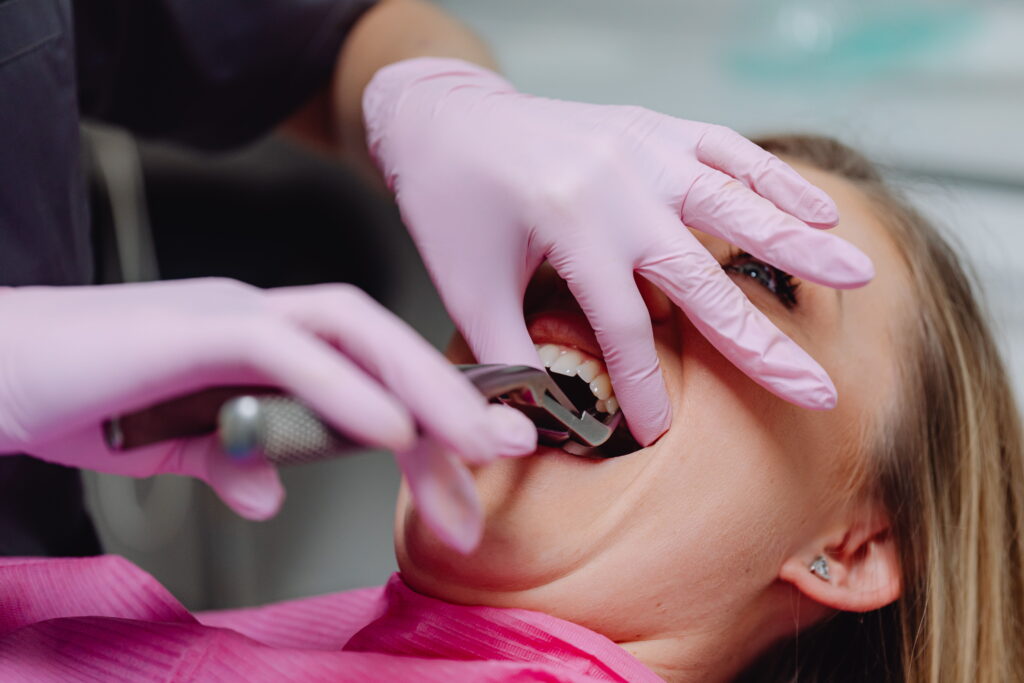
While these treatments boast high success rates, they do carry specific limitations and risks that you should weigh carefully. An All-on-4 system places a heavy burden of pressure on just four posts. If you are a heavy tooth grinder or have an exceptionally strong bite, that concentrated force can sometimes stress the framework, making proper placement and nighttime bite guards essential.
Like any minor oral surgery, the placement process carries typical surgical risks, including localized swelling, temporary bruising, or mild discomfort. In rare instances, an implant might fail to integrate properly with the jawbone, a condition often caused by poor blood supply, uncontrolled health issues, or unexpected infections during the early healing phases.
There are also instances where a traditional implant bridge or an All-on-4 system is simply not the right fit. If a patient presents with extreme, widespread bone loss across the entire ridge, an implant-supported overdenture that snaps onto a larger number of straight implants might be recommended to guarantee adequate structural support.
Which Option Lasts Longer?
The expected lifespan of your restoration depends heavily on how well you care for it over time. The titanium implant posts themselves are designed to be permanent, often lasting for decades because they fuse directly with your natural bone tissue. However, the custom bridge or prosthetic teeth attached to those posts will experience daily wear and tear from chewing and may eventually require replacement or minor repairs after ten to fifteen years.
Long-term success is closely tied to your systemic health and personal habits. Smoking is one of the leading causes of early implant failure because it restricts blood flow to the gums and slows down the natural healing process. Chronic health conditions like uncontrolled diabetes can also interfere with bone integration and make you more vulnerable to peri-implantitis, a form of gum disease that targets the tissues surrounding the implants.
Maintaining consistent clinical care is non-negotiable for protecting your investment. Even though artificial teeth cannot develop standard cavities, plaque buildup can still irritate the surrounding gum tissue and cause bone recession around the titanium posts. Regular professional cleanings and examinations allow your dentist to check the stability of the hardware and catch potential issues before they compromise the restoration.
Who Is a Good Candidate?
To qualify for either treatment, you must possess a solid foundation of healthy bone structure to hold the titanium posts securely in place. If you have been missing teeth for a long time, the jawbone naturally begins to melt away. While All-on-4 is specifically designed to work around minor bone thinning by using angled placements, you still need a baseline amount of healthy bone density to support the procedure.
Your overall physical health is just as important as your oral condition. Candidates should be healthy enough to undergo a routine dental surgery and subsequent healing period. If you have active, untreated gum disease, that infection must be fully managed and resolved before any implant posts can be surgically placed in your jaw.
Your lifestyle, budget, and the exact number of teeth you are missing will ultimately determine the best route. If you only have a few missing teeth in a row and the rest of your smile is perfectly intact, an implant bridge keeps your healthy teeth safe. If your remaining teeth are failing or causing chronic pain, moving toward a full-arch replacement can save you from a cycle of endless dental repairs.
Questions to Ask Before Choosing a Tooth Replacement
Before committing to a specific treatment plan, you should sit down with your dentist to review the necessary diagnostics. A detailed examination using a 3D cone beam CT scan is required to map out your bone density and locate critical nerve pathways. Asking your provider to explain these scans helps you understand exactly where the implants will sit and why they recommend a particular layout.
You should also request a clear breakdown of the treatment timeline and recovery expectations. If your current situation requires a failing tooth to undergo a standard extraction procedure before the implants can go in, you need to know if the dentist can place a temporary tooth on the same day or if your jaw will require a few months of healing first. Knowing what to expect at each stage prevents surprises during the process.
Every smile is completely unique, and the right option depends on your anatomy, budget, and comfort goals. Gathering facts and consulting with an experienced clinical team ensures you choose a path that truly restores your confidence. If you are ready to explore these permanent tooth replacement options and discover the best fit for your smile, reach out to us today to schedule an evaluation.