
If you’re missing teeth and trying to figure out the right fix, you’ve probably come across two names over and over: dental implants and snap-in dentures. Both replace missing teeth, but they go about it very differently, and the right pick depends on your mouth, your budget, and how much maintenance you’re willing to keep up with. This is one of the most common questions patients ask when comparing snap-in dentures vs implants, and it deserves a straight answer instead of a sales pitch.
Understanding the Difference Between Dental Implants and Snap-In Dentures
A dental implant is a small titanium post placed directly into your jawbone, acting as an artificial tooth root. Once it heals and fuses with the bone, a crown gets attached on top, giving you a fixed, permanent tooth.
Snap-in dentures still rely on implants, but instead of one per tooth, a few implants are placed strategically in the jaw, and a denture clips onto them. You can remove it for cleaning, but it stays firmly attached while eating and talking.
Implants suit people who want something that feels and functions like a real tooth. Snap-in dentures tend to fit people missing most or all of their teeth who want a big upgrade from loose dentures without a full-mouth implant process. If your smile needs work beyond just tooth replacement, ask your dentist about cosmetic dentistry in dearborn options at the same time, since color, shape, and alignment all affect how natural the final result looks.
Stability That Makes a Difference in Daily Life
How Dental Implants Stay Secure
Because implants fuse directly into the jawbone, they don’t move. There’s no shifting when you bite into something firm and no slipping mid-conversation. It’s about as close to a natural bite as dentistry gets.
How Snap-In Dentures Improve Traditional Dentures
Traditional dentures rest on the gums and rely on suction or adhesive, which is exactly why they slip. Snap-in dentures attach to implants underneath instead, giving noticeably better retention. They still come off at night, but during the day they stay locked in place far better than anything glued on.
Comfort During Everyday Activities
Chewing feels different with each option. Implants let you bite down with close to full force since they’re anchored in bone, so tougher foods like steak aren’t a problem. Snap-in dentures handle most foods well too, though sticky or very hard items call for a bit more caution.
Speaking tends to be smoother with implants since there’s no denture base covering the roof of your mouth. Snap-in dentures can take a short adjustment period, but most people get comfortable within a few weeks.
Gum pressure is where the two really separate. Snap-in dentures still rest partly on soft tissue, so some pressure or occasional soreness can show up over time. Implants skip that issue since bite force goes straight into bone instead.
Appearance and Natural-Looking Results
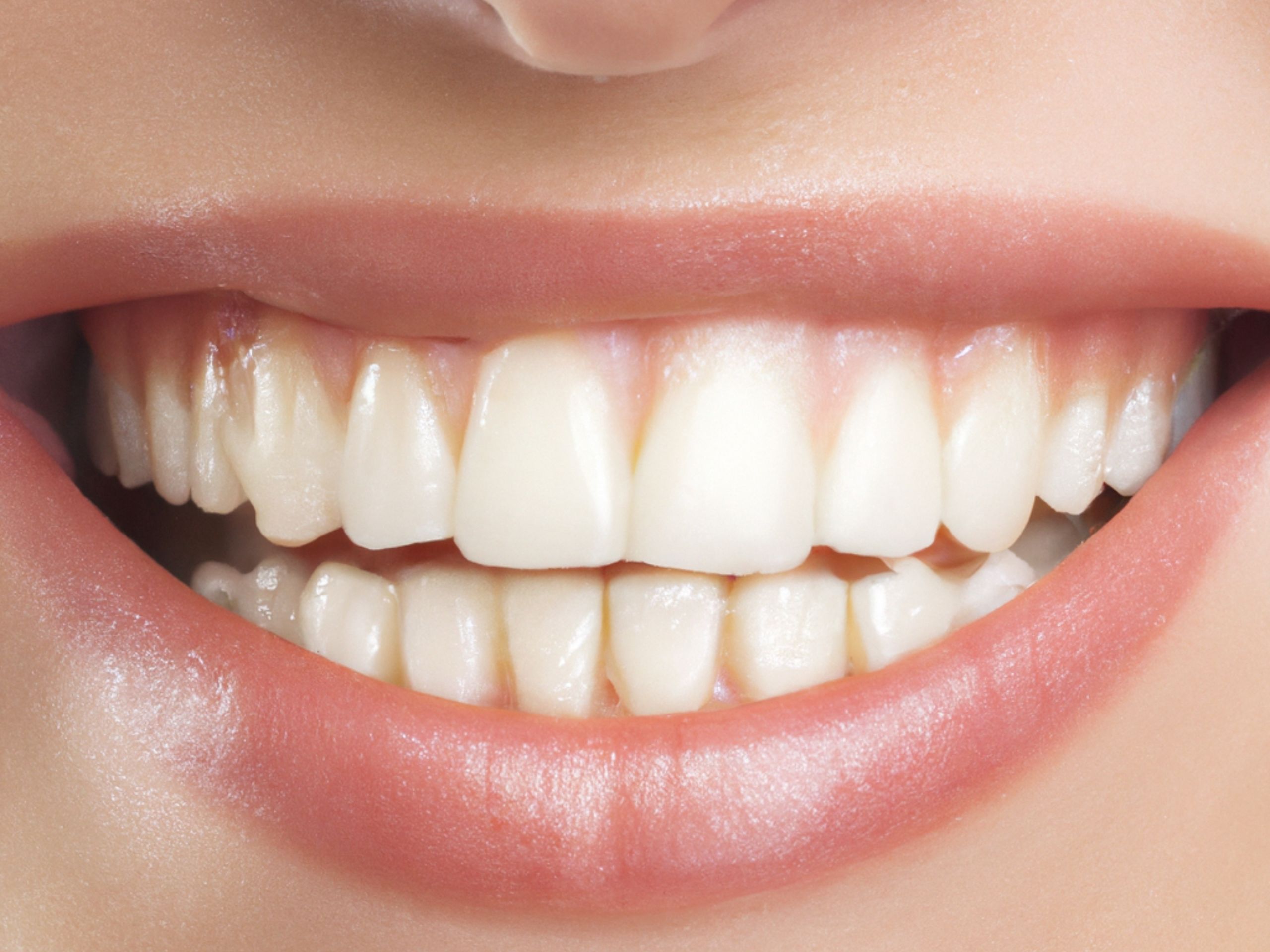
Implants are hard to tell apart from real teeth because each crown is custom shaped and shaded to match your smile. Snap-in dentures have improved a lot too, with more realistic gum coloring and tooth shapes than older styles.
A few things affect how natural either option looks: how well your gums and jawbone are shaped, how skilled your dentist is at matching tooth color, and how carefully the treatment was planned upfront. If discoloration bothers you about your current smile, pairing your treatment with teeth whitening in dearborn helps your natural teeth match your new restoration instead of standing out next to it.
Daily Care and Long-Term Maintenance
Implants are cared for basically the same way as real teeth, through regular brushing, flossing, and checkups, and they can last for decades that way.
Snap-in dentures need a bit more attention. You’ll remove them daily to clean both the denture and the attachment points, since food and bacteria can build up around the connectors if ignored. The attachment components wear down over the years and eventually need replacing, which is a cost implants don’t really carry.
Either way, regular dental visits matter, so your dentist can confirm the implants are still integrated well and that nothing is loosening without you noticing.
Comparing the Cost and Long-Term Value
Upfront, snap-in dentures are usually less expensive since fewer implants are needed to support the whole arch, which makes them appealing if budget is the biggest factor right now.
But cost isn’t just the first bill. Snap-in dentures need periodic replacement of the clip attachments and eventually the denture base, and that adds up. Implants cost more initially but tend to last longer with fewer follow-up expenses, so the long-term math sometimes favors implants even with a steeper starting price. Neither answer is universally cheaper. It depends on how many years you’re planning for.
Bone Health and Facial Support
Your jawbone needs stimulation from tooth roots to stay strong. Implants provide that stimulation directly, which helps prevent the bone loss that naturally follows missing teeth. Traditional dentures don’t stimulate bone at all, and over time the jaw can shrink, changing facial shape and making dentures fit worse. Snap-in dentures slow this process somewhat, since the implants underneath still provide some stimulation, but it’s not the same level of protection as full implant support. For patients thinking long term, this is a real point in favor of implants.
Lifestyle Factors That Can Influence Your Decision
Someone who eats a lot of tough or chewy food will likely appreciate the strength of implants. Someone fine with a slightly more limited diet but wanting a faster, more affordable path to stability might lean toward snap-in dentures. Both options are a huge step up from loose dentures, though implants remove any lingering worry about shifting during a big meal or a night out. Overall gum and bone health also plays into which option gives you more flexibility to choose freely.
Who Is a Better Candidate for Snap-In Dentures?
Snap-in dentures tend to work best for patients missing most or all of their teeth who want a real upgrade without committing to a full set of implants. They’re also solid for people with some bone loss that makes full implant placement more complicated. If a removable option that’s easier to clean and adjust fits your daily routine better, this is often the more practical path.
When Dental Implants May Be the Better Investment
Implants tend to make more sense when replacing just one or a few missing teeth, since placing individual implants is often simpler than fitting a whole denture. They’re also the better fit for anyone wanting something fixed and permanent, or prioritizing long-term jawbone health over a lower upfront cost. Patients local to the area can compare options directly with a brownstown dentist to see which approach fits their jaw structure and treatment goals.
Choosing the Right Tooth Replacement with Your Dentist
There’s no single right answer here, and anyone claiming one option is automatically better for everyone probably isn’t looking closely enough at your mouth. A proper evaluation looks at bone density, gum health, budget, and how you actually live day to day.
An experienced dentist can walk you through X-rays, explain what your jaw can support, and lay out realistic expectations for both options instead of pushing whichever one sounds fancier. Connect with us to schedule an evaluation and get a straight answer on which option fits your smile.