Ask five different people what a dental implant costs and you’ll probably get five different numbers. That’s not because anyone’s being cagey about pricing, it’s because implant treatment genuinely varies from one mouth to the next. The final number depends on how many teeth need replacing, what your jawbone looks like, and what kind of restoration you choose. If you’re trying to get a handle on tooth implant cost before booking a consultation, it helps to know what actually drives the price up or down.
What Goes Into the Cost of a Dental Implant?
Implant treatment isn’t one procedure with one price tag. It’s a series of stages: a consultation and imaging, the implant placement itself, healing time, and finally the crown that sits on top. Each stage carries its own cost, and skipping steps to save money almost always causes problems later.
Pricing varies between patients because no two jaws are the same. Some people have plenty of healthy bone and no complications, which keeps treatment straightforward. Others need extra prep work first, which is why a dentist can’t hand you an accurate number without actually looking at your mouth.
A personalized plan matters more than people realize. It’s tempting to want a flat rate over the phone, but implant dentistry doesn’t work that way responsibly. Patients considering Dental Implants Brownstown options should expect a full evaluation before pricing is finalized, not a generic estimate handed out on the spot.
The Number of Implants Needed
This is usually the biggest factor in the final bill. A single missing tooth needs one implant and one crown, which keeps things fairly simple. Multiple missing teeth change the math, since a dentist can often bridge several gaps using fewer implants than you’d expect, bringing the total down compared to replacing every tooth individually.
Full-arch solutions are their own category. Instead of a dozen implants for a dozen teeth, a full arch might use as few as four to six implants supporting an entire row, so the per-implant cost looks different because you’re paying for a full system.
Bone Health Can Affect Treatment Costs
Not every jaw is ready for an implant on day one, and bone is usually the reason why. When there isn’t enough density or volume to support a stable placement, extra prep work gets added to the plan before anything else happens.
Bone Grafting
Implants need enough healthy bone to anchor into, and not everyone has that naturally, especially if a tooth has been missing for a while. Bone grafting rebuilds that foundation first. It adds to the investment, but skipping it when it’s genuinely needed leads to implant failure, which costs far more to fix later.
Sinus Lift Procedures
Upper jaw implants sometimes run into a different issue, where the sinus cavity sits too close to the planned implant site. A sinus lift creates the space needed for stable placement, adding a step to both the timeline and the price, but it’s often the difference between an implant that lasts and one that doesn’t.
Type of Restoration Chosen
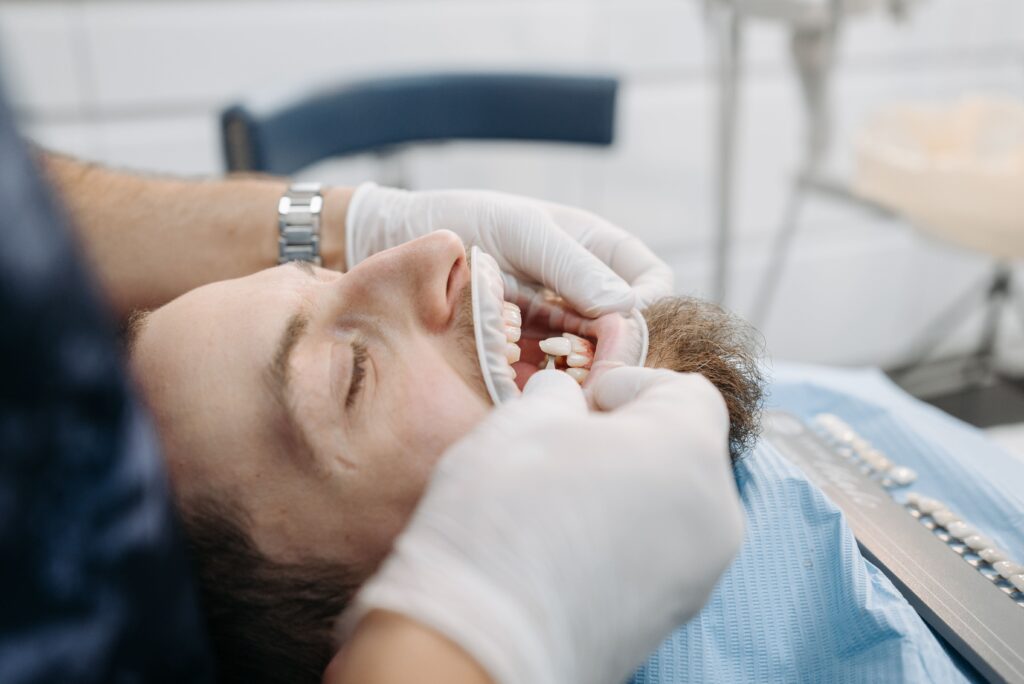
An implant crown replaces a single tooth. An implant bridge covers several missing teeth in a row using fewer implants than one per gap. Implant-supported dentures go further, replacing an entire arch while staying anchored instead of shifting like traditional dentures. Material choices inside each option change the price, and a cheaper crown material may not hold up the same way over years of daily chewing.
Materials Used for the Implant and Crown
Titanium has been the standard implant material for decades because it fuses well with bone. Zirconia implants are a newer alternative, often chosen for their tooth-like color, though they carry their own pricing considerations. Crown materials matter just as much, with the right choice usually depending on where in the mouth the implant sits. Quality materials cost more upfront but tend to hold up better over time.
Diagnostic Imaging and Treatment Planning
Digital X-rays give a solid starting picture, but most practices now rely on 3D CBCT scans for implant planning, since they show bone density and nerve positioning in a way flat X-rays can’t. That detail feeds into digital treatment planning, where implant position gets mapped precisely before anyone picks up a drill.
This stage isn’t optional padding on the bill. It keeps placement accurate and reduces complications that would cost more to correct later. Patients dealing with other dental issues at the same time, like Brownstown Root Canal Therapy, often get more accurate treatment sequencing when imaging covers the full mouth upfront instead of piecemeal.
Experience of the Dental Team
Not every dentist placing implants has the same training behind them. Advanced training means fewer surprises during placement and a better read on how your bone and gum tissue will respond. Accurate placement isn’t just about aesthetics, either, since a well-placed implant avoids unnecessary strain on surrounding teeth.
Experienced care tends to cost more upfront, but it usually saves money over the life of the implant, since fewer complications means fewer follow-up procedures down the road.
Insurance Coverage and Payment Options
Dental insurance coverage for implants is inconsistent. Some plans cover a portion of the restoration or the extraction that precedes it, while others treat implants as entirely elective, so it’s worth checking your specific plan rather than assuming either way.
Financing plans have become common for implant treatment, breaking the total cost into manageable monthly payments instead of one large upfront charge. Health savings and flexible spending accounts can apply here too, which is easy to overlook. If your family also needs care, checking into brownstone pediatric dentistry at the same practice can simplify scheduling and payment planning across the household.
Why the Lowest Price Isn’t Always the Best Value
A rock-bottom quote should raise questions, not excitement. Lower prices sometimes mean skipped imaging, rushed planning, or materials chosen to cut cost rather than perform well. Comparing quality instead of price alone means looking at what’s actually included, and longevity matters more than the number on the estimate. An implant that lasts fifteen years without complications is a better deal than one that needs correction after three, even if the second one looked cheaper at the start.
Planning for Long-Term Success
Daily brushing and flossing around the implant site keeps the surrounding gum tissue healthy, which directly affects how long the implant lasts. Routine checkups let your dentist catch small issues before they become expensive ones, since implants are durable but not maintenance-free. Protecting your investment really comes down to treating the implant like a permanent part of your mouth, because that’s exactly what it is.
Building a Treatment Plan That Fits Your Needs
Every plan should start with a real look at your oral health and what you’re actually trying to achieve, whether that’s replacing one tooth or rebuilding a full arch. Understanding every cost before treatment begins avoids the frustration of surprise fees showing up halfway through, and a good plan balances your budget with the function and long-term results you actually want. If you’d like a clear, personalized breakdown of what implant treatment would cost for your situation, contact us and we can walk through it together.